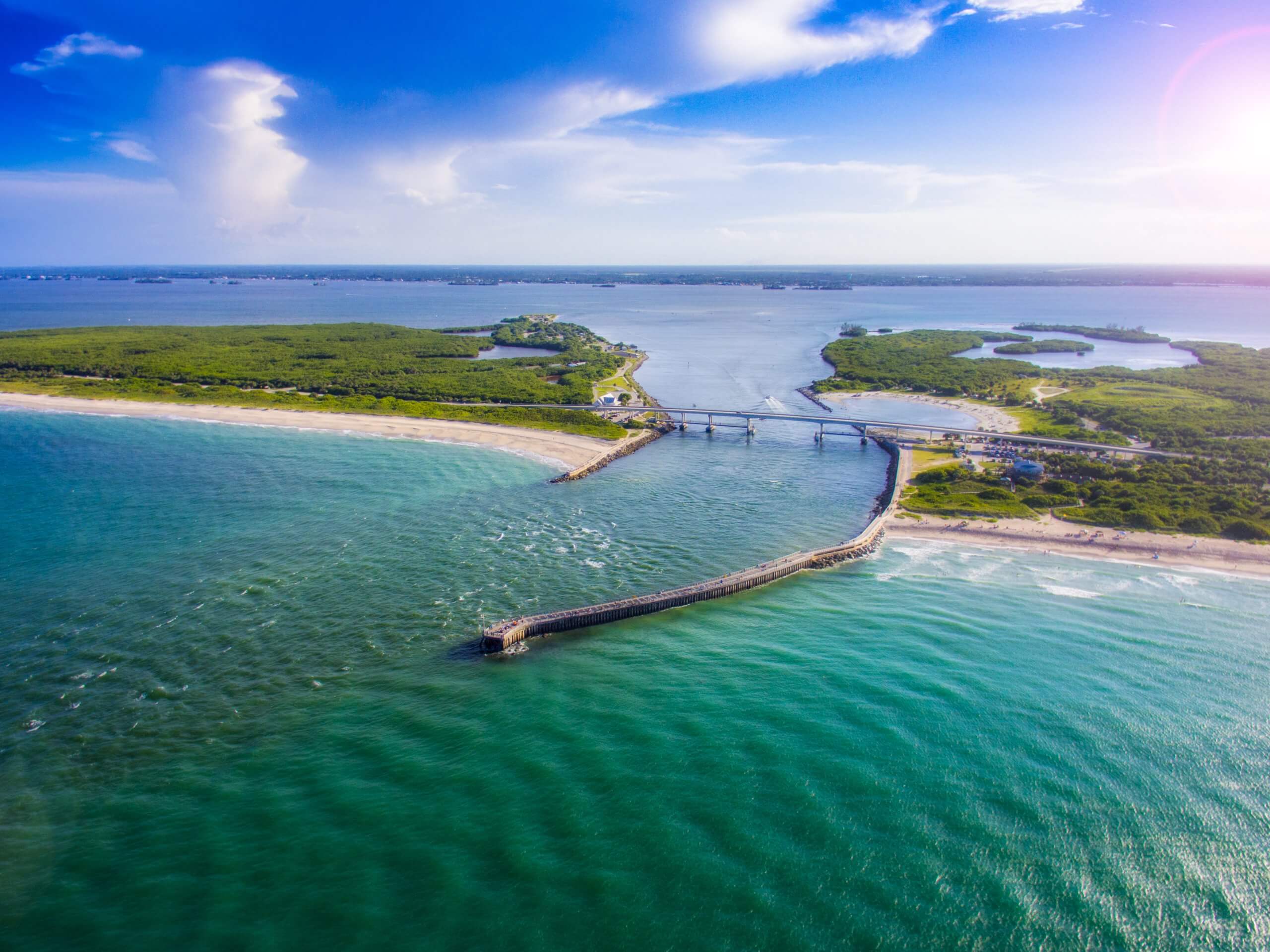
The Florida Keys, a sun-drenched chain of islands stretching into the turquoise waters of the Atlantic, are famous for many things: spectacular sunsets, laid-back island vibes, and world-class fishing. But for those “in the know,” one adventure reigns supreme: the annual pursuit of the Florida Spiny Lobster, or “bug” as the locals affectionately call them. This seasonal hunt transforms the typically tranquil waters into a bustling, underwater playground, offering a thrill that combines the best of snorkeling, free-diving, and the sweet reward of a fresh seafood feast.
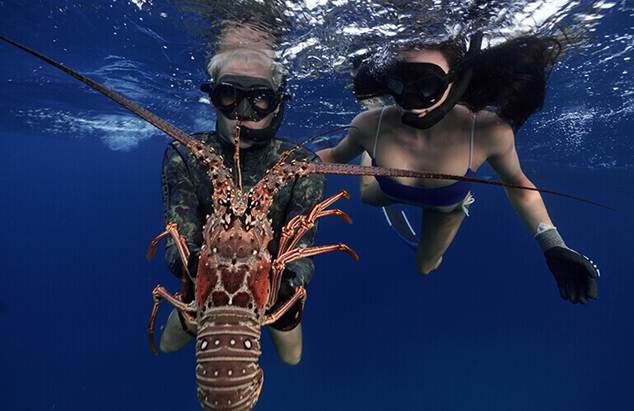
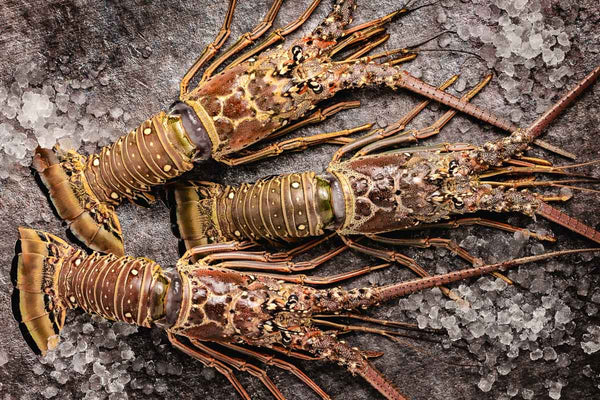
The immense fun of lobstering is rooted in the “hunt” itself. Unlike their clawed northern cousins, the Florida Spiny Lobster is all speed and spiny defense, making catching one a genuine challenge of wits and underwater agility. They spend their days tucked deep into crevices, under rock ledges, and inside coral heads, only revealing their presence by the telltale waving of their long, segmented antennae. Spotting those antennae in the coral rubble or grass beds, often in water as shallow as five to fifteen feet, is the first exciting victory of the day.
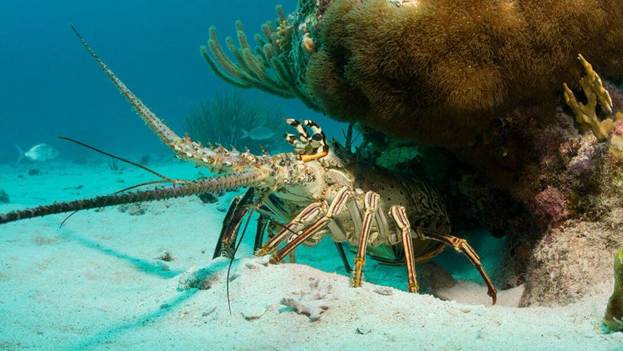
The most anticipated time of the year is the two-day “Mini-Season,” a recreational-only sport season held on the last consecutive Wednesday and Thursday of July. This brief window sees thousands of enthusiastic bug hunters descend upon the Keys, creating a vibrant, almost festival-like atmosphere both on and off the water. While crowded, it offers the promise of untouched lobster grounds before the regular season opens, making the effort of navigating the traffic well worth the potential catch.
The main event, however, is the Regular Lobster Season, which runs from August 6th through March 31st. This nine-month window provides ample time to enjoy the hunt at a more relaxed pace, avoiding the intense crowds of the mini-season. The calm, clear waters of late summer and early fall are particularly productive, offering excellent visibility for snorkelers and divers to spot their quarry. Whether you charter a boat or head out on your own vessel, the process is pure Keys enjoyment—sun on your back, salt in the air, and the anticipation of finding a loaded “hole.”
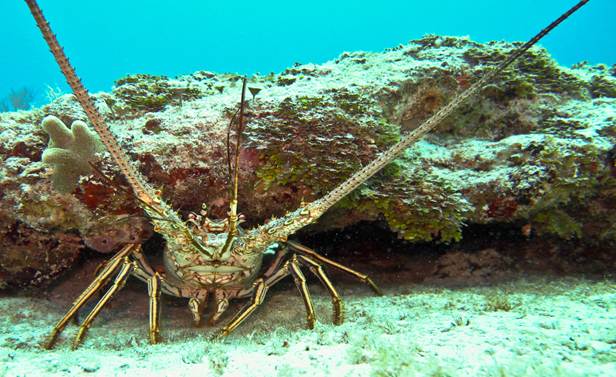
So, how does one actually catch these elusive creatures? The preferred and most common method is snorkeling or shallow free-diving, using a combination of a tickle stick and a net. The tickle stick, often a simple piece of fiberglass rod, is used to gently coax the lobster out of its hiding spot. Since a startled lobster retreats backward, the hunter’s strategy is to delicately “tickle” the lobster, guiding it to backpedal out of its crevice and into a waiting net or snare held by the other hand.
The technique requires patience and a smooth, relaxed approach. Jerky movements will spook the lobster, causing it to shoot backward into the deepest recesses of the reef. The key is to be slow and steady, easing the creature into the open. Once netted or snared, the lobster must immediately be measured in the water to ensure its carapace (head shell) is longer than the minimum three-inch limit. This crucial regulation protects the species and ensures sustainable harvesting for years to come.
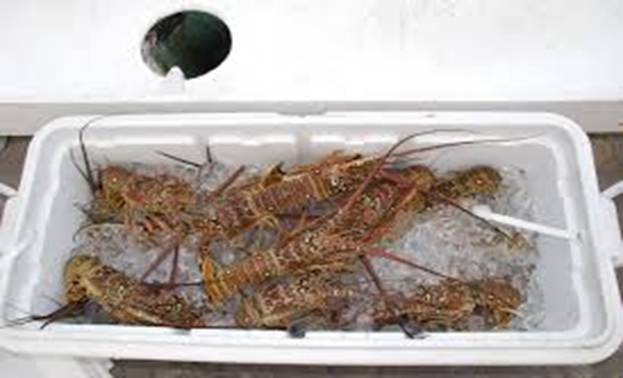
Before you even touch the water, preparation is paramount. All recreational lobster hunters must possess a valid Florida Saltwater Fishing License with a Spiny Lobster Permit. Additionally, a specialized lobster measuring gauge is required to be on hand. You’ll also need proper snorkeling or dive gear, including a dive flag (a mandatory safety device indicating divers are in the water), and a good pair of gloves—remember, they are spiny lobsters!
Knowing the rules is as important as knowing the technique. The daily bag limit during the regular season is six lobsters per person in the Florida Keys (Monroe County). It is strictly illegal to harvest egg-bearing females (those with bright orange or brown egg clusters under their tail) or to separate the tail from the body until you are on shore. Respecting the marine environment by avoiding contact with coral is also a fundamental rule of Keys lobstering.
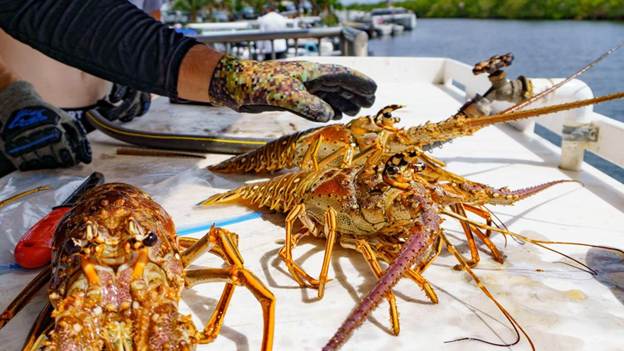
For beginners, hiring a guided lobster charter is highly recommended. Experienced captains and guides know the best local spots and can provide on-the-spot instruction, increasing your chances of a successful hunt. They will teach you how to spot the bugs, how to handle the tickle stick and net, and ensure you comply with all regulations, transforming a potentially confusing outing into a fun, educational, and productive experience.
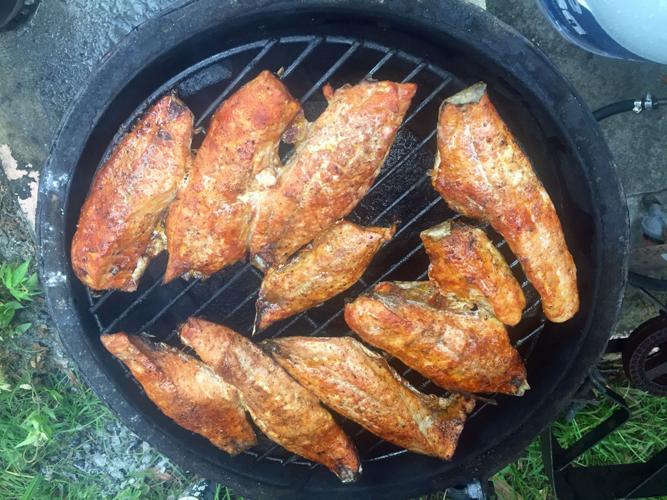
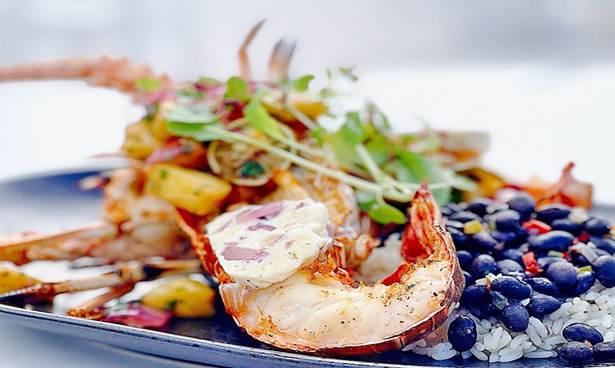
There is truly nothing quite like the feeling of securing a legal-sized “bug,” the culmination of your underwater stealth and effort. After the hunt, the real reward begins: grilling up your fresh catch. The spiny lobster’s meat is succulent, sweet, and firm—a delicious testament to a hard day’s work under the beautiful Florida sun. Lobstering in the Keys is more than just a fishing trip; it is an unforgettable adventure that connects you to the natural beauty and thrilling spirit of island life.
Discover more from Florida's Native Son
Subscribe to get the latest posts sent to your email.